Tag Archives: arts and crafts

Our Imaginations! Paper Cut-outs: Summer/The Four Seasons Mural

Our Imaginations! Paper Cut-outs: Summer/The Four Seasons Mural
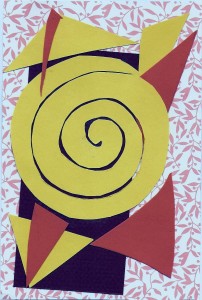
Summer/Four Seasons Paper Mural

Summer/Four Seasons Paper Mural

MATERIALS:

Paper

Scissors

Pencil/eraser

Tracing paper

Glue Stick

  1. Research the paper cutouts of Henri Matisse which are a mix of symbolic and abstract shapes. “I have attained a form, filtered to the essentials,” Matisse once said and this sums up his philosophy as an artist. Study the paper cutouts for color and form; www.henri-matisse.net/cut_outs.html.
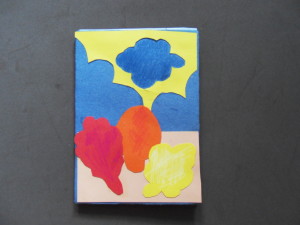
  2. There will be four panels or sections for the Four Seasons Mural. The third section will be summer. Plan the design for the season. The sample shown features the sun. There are other symbols for summer: the beach, the ocean, sailboats, swimmers, bathing suits, sunglasses, sand castles, etc. Sketch your design on tracing paper.
  3. The sample features three like colors: orange, yellow, dark red, and a patterned paper of orange leaves on a white background. Bright colors evoke summer like yellow, white, blue, green, red, orange, etc. Limit the palette to three to five colors as in the sample. Use patterned paper if it compliments the design.
  4. Decide the size of the paper cutout. The sample shown is 4” x 6.” Cut the background paper to the size you want for the paper cutout. The sample shows the patterned paper as the background color. Orange, yellow and dark red are the color choices for the sun and the sun’s rays.
  5. Sketch the design on tracing paper. Decide the colors for each part of the design. Blacken the back of the design and flip it over on to the papers you will use. Trace the outline of the shapes.
  6. Use embroidery scissors to cut out the shapes. Embroidery scissors enable you to cut inside larger shapes.
  7. Glue the shapes down and you have the third section of the Four Seasons Mural: Summer!


Share Button

Our Imaginations! Paper Cut-Outs: Spring/The Four Seasons Mural

Our Imaginations! Paper Cut-Outs: Spring/The Four Seasons Mural
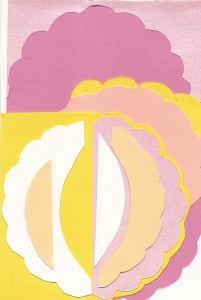
Spring Panel

Spring Panel Four Seasons Paper Cut-outs

MATERIALS:

Paper

Scissors

Pencil/eraser

Tracing paper

Glue Stick


  1. Research the paper cutouts of Henri Matisse which are a mix symbolic and abstract shapes. “I have attained a form, filtered to the essentials,” Matisse once said and this sums up his philosophy as an artist. Study the paper cutouts for color and form; www.henri-matisse.net/cut_outs.html.
  2. There will be four panels or sections for the Four Seasons Mural. The second section will be spring. Plan the design for the season. The sample shown features flowers. There are other symbols for spring: rain, butterflies, bees, birds, grass, etc. Sketch your design on tracing paper.
  3. The sample features five spring-like colors: white, peach, yellow, and two shades of pink. Other colors that evoke spring are pastel shades of most colors. Limit the palette to three to five colors as in the sample.
  4. Decide the size of the paper cutout. The sample shown is 4” x 6.” Cut the background paper to the size you want for the paper cutout. The sample shows a medium pink as the background color. Light pink, peach, yellow and white are the color choices for the flowers.
  5. Sketch the design on tracing paper. Decide the colors for each part of the design. Blacken the back of the design and flip it over on to the papers you will use. Trace the outline of the shapes.
  6. Use embroidery scissors to cut out the shapes. Embroidery scissors enable you to cut inside larger shapes.
  7. Glue the shapes down on to the background paper and you have the second section of the Four Seasons Mural: Spring!


Share Button

Our Imaginations! Paper Cut-outs: Winter/The Four Seasons Mural

Our Imaginations! Paper Cut-outs: Winter/The Four Seasons Mural
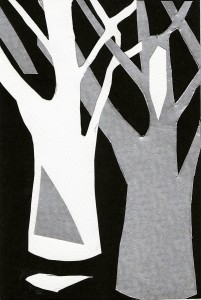
Four Seasons Paper Cut-out/Winter

Winter Panel Four Seasons Paper Cut-out Mural

MATERIALS:

Papers Scissors

Tracing paper

Glue Stick

  1. Research the paper cutouts of Henri Matisse which are a mix of symbolic and abstract shapes. “I have attained a form, filtered to the essentials,” Matisse once said and this sums up his philosophy as an artist. Study the paper cutouts for color and form; www.henri-matisse.net/cut_outs.html.
  2. There will be four panels or sections for the Four Seasons Mural. The first section will be winter. Plan the design for the season. The sample shown features barren trees. There are other symbols for winter: ice sickles, snowballs, snowflakes, snow-capped mountain peaks, mittens, scarves, knitted caps, etc. Sketch your design on tracing paper.
  3. The sample features three colors that evoke winter: black, silver and white. Other colors that evoke winter include shades of gray and cool shades of blue but mittens and other winter clothing come in a variety of colors. Limit the palette to three colors.
  4. Decide the size of the paper cutout. The sample shown is 4” x 6.” Cut the background paper to the size you want for the paper cutout. The sample shows black as the background color. Silver and white are the color choices for the trees.
  5. Sketch the design on tracing paper. Decide the colors for each part of the design. Blacken the back of the design and flip it over on to the papers you will use. Trace the outline of the shapes.
  6. Use embroidery scissors to cut out the shapes. Embroidery scissors enable you to cut inside larger shapes.
  7. Glue the shapes down and you have the first section of the Four Seasons Mural. Winter is here!


Share Button

Fence Weaving for the Holidays: Paper Garland

Fence Weaving for the Holidays: Paper Garland

Materials:

Paper in 4 holiday colors or colors of choice

Scissors

Pencil/eraser

Ruler or yard stick

Beads, glitter or similar craft items (optional)

Glue stick

Ribbon, paper twist, strips of fabric or similar material

One chain link fence


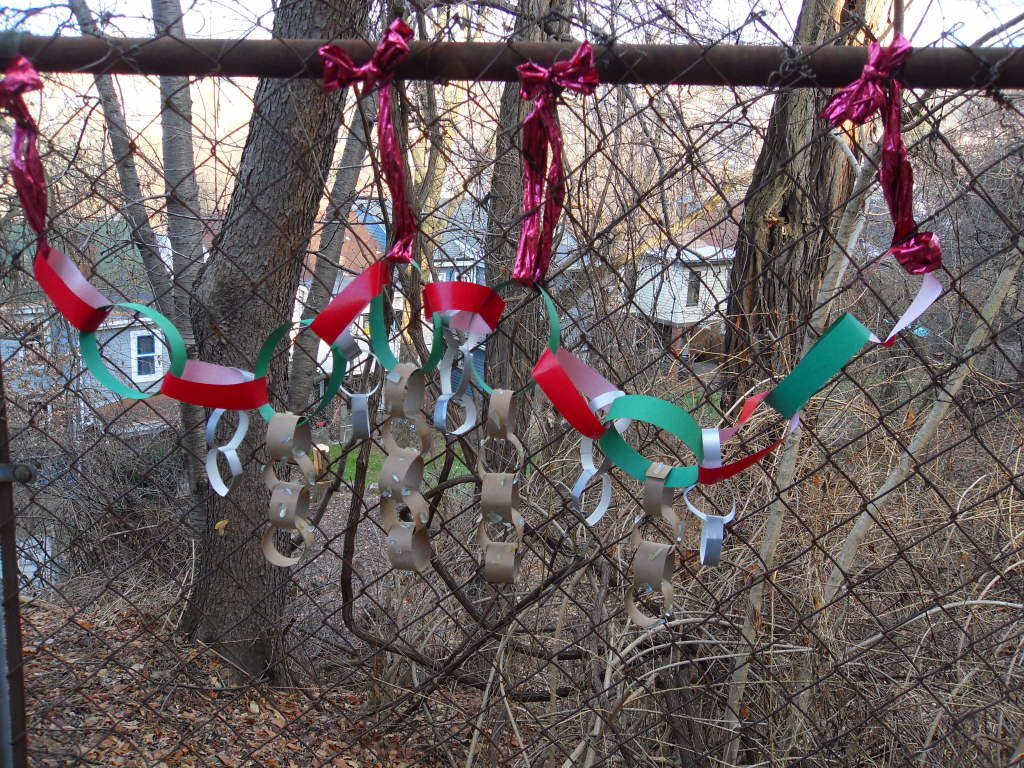
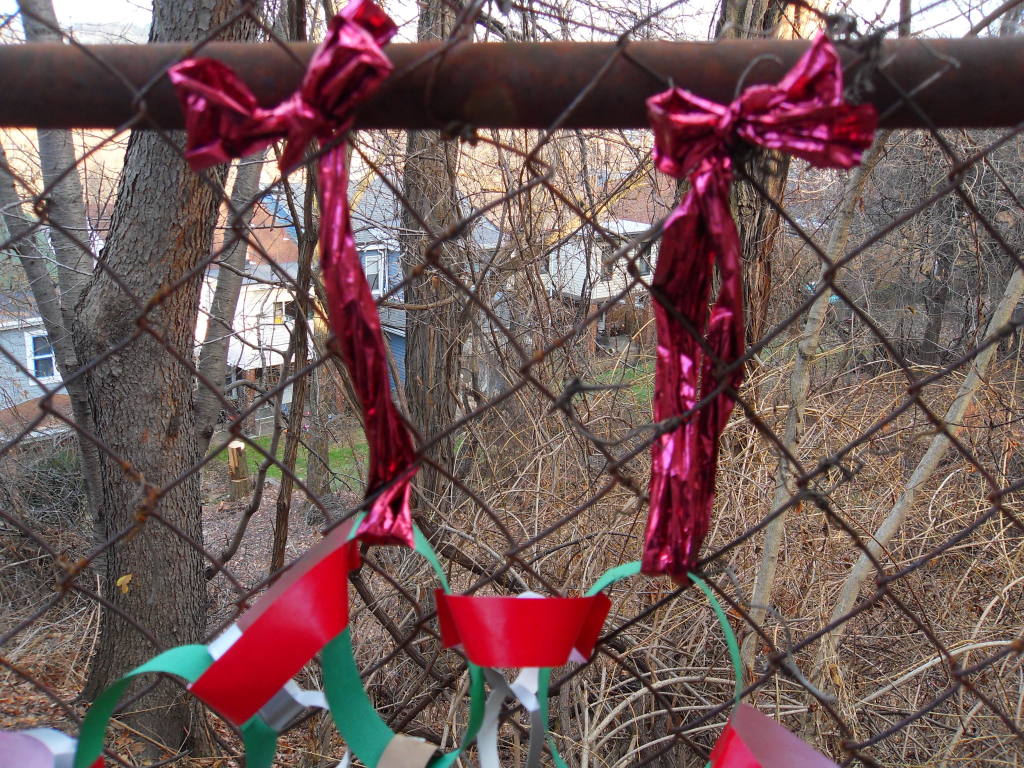
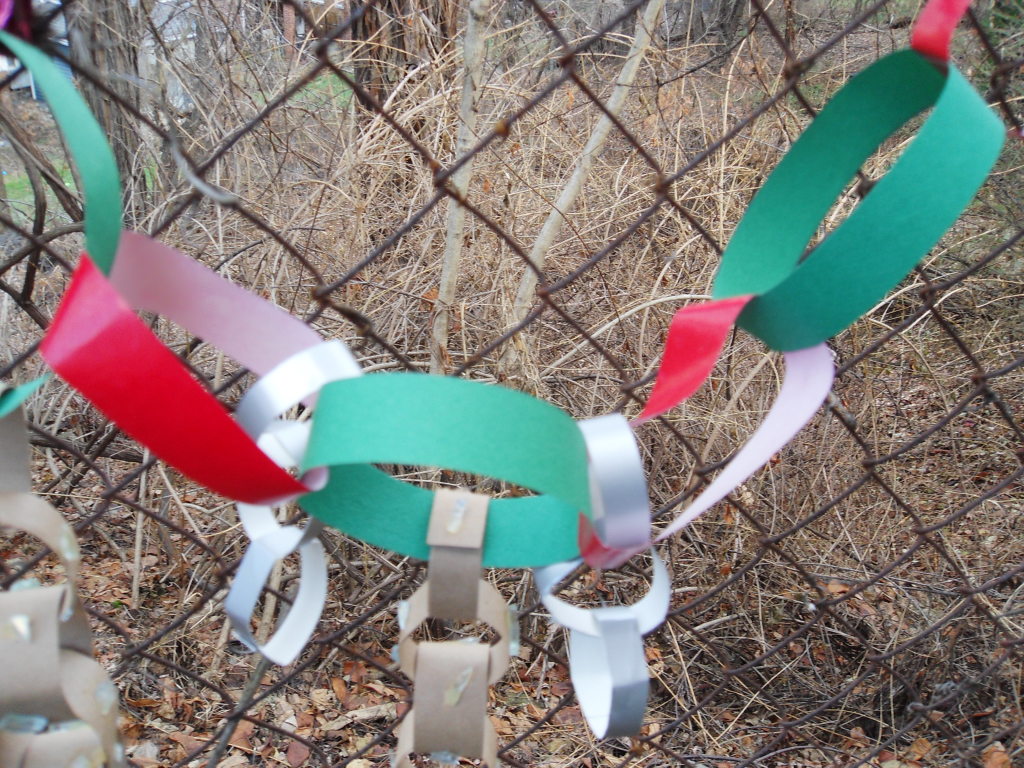
  1. Use three or four different colored papers. The sample in the photograph uses red, green, silver and brown. Measure and cut one of the colored papers into six ½” x 8” strips.
  2. Measure and cut the next colored paper into seven strips measuring ½” x 6.”
  3. Glue one strip of paper measuring ½” x 6.” Then glue a strip of measuring ½” x 8” through the first loop. Alternate the colors of the paper strips until you have 13 paper loops in two different colors forming a garland. (For example, the pattern would be red, green, red, green, etc.) Use the photograph for reference.
  4. Next, measure and cut the paper of the third color into 16 strips of 1/2” x 5.”
  5. Glue one strip of that paper through one of the loops measuring ½” x8”. Glue another strip through that same loop so that the loops hang down from the first loop. Use as many strips to form loops of the third color as you wish. The sample in the photograph used four strips of that color. Continue to glue strips of the third color into loops hanging down from the larger loops. The sample shows four smaller loops of paper flowing vertically from four larger loops for a total of 16 loops of the third color.
  6. Proceed in the same way with the fourth colored paper. Cut strips measuring ½” x 5.” Loop the strips vertically from the second colored paper. See the photograph of the sample for reference.
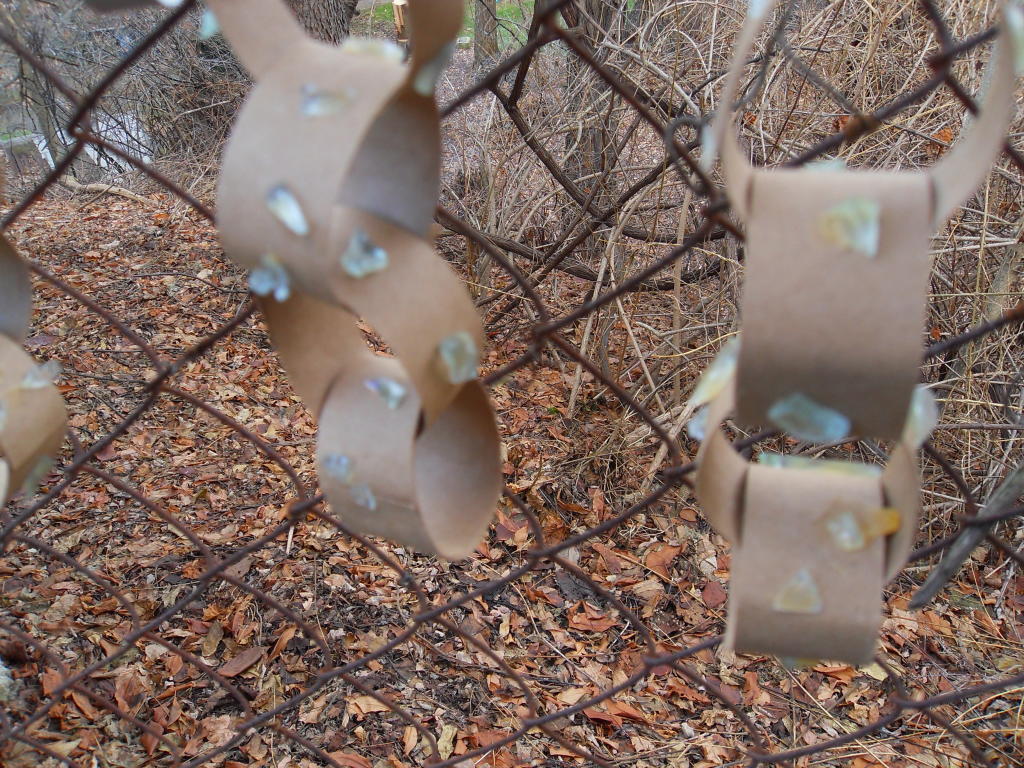
  7. Optional: glue glitter or sequins or small beads on any or all the loops. Use small beads and be aware that heavy or large beads can drag down the paper loops.
  8. Loop the ribbon through one of the paper loops at one end, then weave the ribbon in and out of the chain link fence. Tie a bow at the top. Repeat this step at the other end and in the middle.
  9. Or use your imagination and use other decorative objects!
  10. Hang from the fence during the holiday season.
Share Button

Kid’s Crafts: Red, White and Blue Banner

Kid’s Crafts: Red, White and Blue Banner

RED WHITE AND BLUE BANNER

Fourth of July Banner

Red, White and Blue Banner

Ages: 5 – 12 years

Time: one hour

MATERIALS:

White felt 14” x 18”

Red, white, blue craft foam sheets

Sharp tool like an awl

¼” red, white and blue ribbon

Dowel rod 18”

String – double the length of the dowel rod

Measure and cut white felt to 14” x 20”. Place felt horizontally. Make a loop by measuring and folding and ironing a 1” seam. Measure and fold a second 1” seam. Iron and glue the second fold. You will be inserting the dowel rod through this loop. (This piece of felt should now measure  14” x 16”.)

Using templates or stencils trace the large star pattern and cut one large star out of the white craft foam sheet. Cut 13 smaller stars out of the white craft foam using the smaller star pattern. Trace and cut a large circle out of the blue craft foam sheet. Glue the large star in the center. Arrange the smaller stars around the circle. Make sure that they all face the same way. Lay aside.

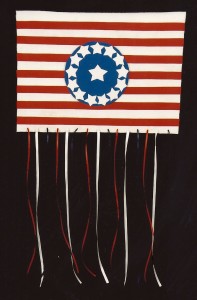
Measure and cut 7 stripes ¾” x 16” out of the red craft foam sheet. Arrange the stripes on the banner so that there is a ¾” stripe of white felt showing between them. (Refer to the photo of the banner.) Glue the stripes down and trim if necessary.

Glue the blue circle with the stars in the center of the red and white stripes.

At the bottom of the banner, poke holes every 1” with a sharp tool like an awl. (Small children should let adults do this for them.) Insert the ribbon in the holes, alternating the colors. Pull the ribbon through and tie a knot in the back.

Trim the dowel rod to 18”. Cut a piece of string to a length suitable for hanging. Tie the string to each end of the dowel rod. The first Fourth of July celebration occurred in Philadelphia, PA. Eventually, all the states celebrated the holiday which included parades, picnics, military displays and fireworks.

VARIATION: You can also hang your banner on Memorial Day or Labor Day!


Share Button

Kid’s Crafts: Accordion Mini-Album for Father’s Day

Kid’s Crafts: Accordion Mini-Album for Father’s Day

*Materials:

Cardboard for the cover of the mini-album

Rice paper or wrapping paper or any light-weight paper to cover the mini-album

White glue, rubber cement, glue stick

Bond, construction, scrapbook paper, wrapping paper to mount the photos

Double-sided mounting squares or corners

Materials for decorating mini-album: sequins, glitter, paper, stickers, rubber stamps/stamp pad, markers, colored pencils

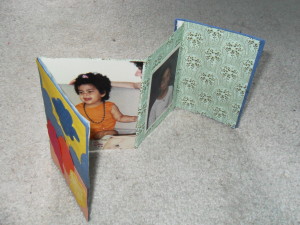
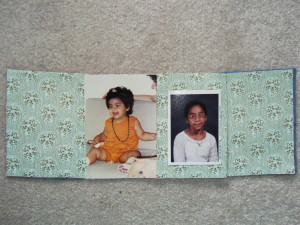
*Refer to the photos when necessary . Variation of the craft below the How-to.


1.  Measure the photos you selected for the album. Using those measurements, measure and cut two pieces of cardboard. If you are using thin cardboard, measure and cut four pieces. Glue two together and glue the other two together. This will make the cover of the album stronger. If you are using matt board or similar thick board, you do not have to do this. Allow to dry.
2.  If you are using 2 – 4 photos, measure four sections the height and width of the photos along the length of the bond, construction, wrapping paper or scrapbook paper of your choice. In other words, if your photos are 3 1/2” x 5”, you will measure four continuous sections each measuring 3 ½” x 5”. Cut the length of the paper (do not cut the individual sections) and fold in four. This will be the accordion or inside of the album.
3.  Select the paper you will use to cover the cardboard. If your cover measures 3 ½” x 5” add ½” to all four sides of the paper. Cut. You will fold the excess paper and glue it to the backside of the cover.  (The excess paper will be hidden by the accordion. This will become clearer in the next step.)
4.  Fold down and glue the corners first. Then fold down and glue the sides. Apply thicker glue when using thicker paper. Allow to dry. Use pressure so that the paper sticks firmly to the cardboard.
5.  Check the accordion paper against the cover and trim paper if necessary. Glue one folded section of the accordion to the inside of one of the covers. Glue the other end to the other cover.  Apply pressure and allow the glue to dry.
6.  Mount the photos using double-sided mounting squares. Decorate the cover with stickers, stamped art, markers, cut paper, sequins, and more.
Happy Father’s Day!

VARIATION: Don’t want to download photos? Sketch a self-portrait of you and family members instead!

Share Button

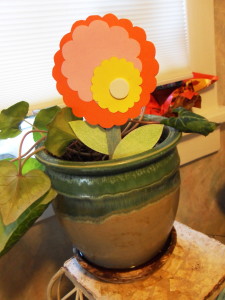
Kid’s Crafts: Flowers for Mother’s Day!

Kid’s Crafts: Flowers for Mother’s Day!

Kid’s Crafts: Flowers for Mother’s Day


Materials:

Popsicle sticks (use wide popsicle sticks if they are available)

Craft Foam in various colors, construction paper or paper with designs or patterns

Glue or glue stick

Scissors

Pencil with eraser

Markers in brown and/or green or poster or acrylic paint in brown and/or green

Pompoms in various colors (optional)

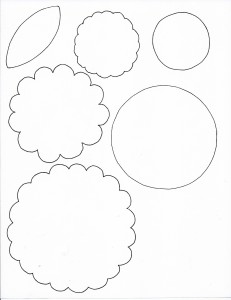
Patterns (below)

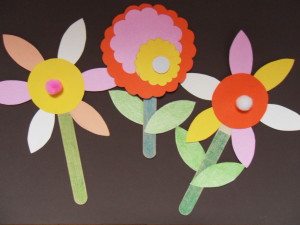
  1. Trace and cut patterns: there are two sets for two kinds of flowers.
  2. Select papers or Craft Foam for the flower petals or the round flower. Trace patterns and cut.
  3. Use petal patterns for the leaves. Trace and cut in green Craft Foam or other craft paper. Use a minimum of two leaves per flower.
  4. Paint Popsicle stick in brown or green or color with markers or paint.
  5. Glue petals around the Popsicle stick or glue the round flower at the top of the Popsicle stick.
  6. Glue a pompom in the center. Or trace a penny or other small coin on the Craft Foam or other paper of choice for the center of the flowers. Cut and glue.
  7. Place in plants to give as gifts for Mother’s Day. Or make several flowers and place in a vase.


Happy Mother’s Day!

Patterns for Mother's Day Flowers Project0001


Share Button

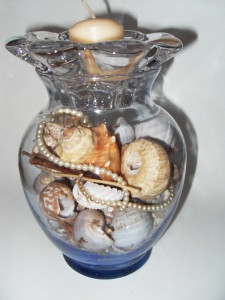
Votive Candleholder

Votive Candleholder

Beat the winter doldrums with a fun craft project! Use it as a Valentine’s Day decoration, give as a gift

 or use it all-year round! Super easy and cheap to make too!

Votive Candleholder

Materials:

Shells in different sizes

Strand of pearls or beads

Large clear vase with a neck (See photo)

Small votive/candle holder (make sure it fits into the opening of the vase)

Small candle or tea light that fits into the votive holder

Optional: Ribbon (the neck of the vase will decide the width and length of the ribbon)

1. Wash and dry the vase and candle holder/votive so that they shine.

2. Let the shape of the vase dictate where the shells, pearls and other objects of  choice will lay inside the vase.

3. Intertwine one strand of beads or pearls. Add some shells. Mix again.

  1. Place the larger shells and pearls or beads next and then intertwine another strand of beads or pearls.
  2. Finally, arrange the medium objects on top. Add the last strand of pearls or beads.  Mix. Make sure there is enough room for the candle holder/votive which should protrude above the neck of the vase just enough so that it is noticeable.
  3. Optional: Tie a bow around the neck of the vase

If the vase is narrow at the bottom, and widens just below the neck, place the small ones on the bottom. Refer to the photo of the finished craft.

Substitutions for the vase:

Potpourri

Small handmade soaps

Beads

Buttons

Heart-shaped paper cutouts

Ribbons

Mix it up!

Substitutions for the votive/candle holder:

Flower bud

Tiny beads

Colored water

Potpourri


Share Button

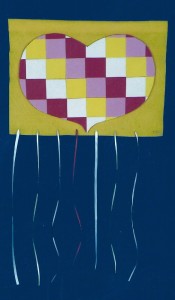
Kid’s Crafts: St. Valentine’s Day Banner: Quilted Heart

Kid’s Crafts: St. Valentine’s Day Banner: Quilted Heart

KID’S CRAFTS: ST. VALENTINE’S DAY

Lupercalia was a Roman holiday held in honor of Lupercus, the god of the pasture and fertility. The event was held on February 5th in a cave on Palatine Hill in Rome. The priests who were known as the Luperci, conducted the rituals associated with the Lupercalia festival. These rituals included sacrificing animals like goats and dogs; feasting followed. The celebrations continued when the Luperci cut thongs from the skins of the sacrificed animals. The priests divided into two groups and ran around the city swatting people with the thongs. The festival participants believed that a blow from one of the thongs encouraged fertility.

The early Christian Church tried to convert unbelievers such as the followers of the Luperci, by combining pagan customs with their own beliefs. The feast day of two Roman martyrs (both named Valentine) had its origins in the Lupercalia festival. The one saint had been a priest and the other had been the Bishop of Terni, and both died in the same day in the third century A. D.

VALENTINE’S DAY CRAFT

QUILTED HEART BANNER PROJECT0002

QUILTED HEART

Ages: 5 – 12 years

Time: one hour

MATERIALS:

Yellow felt square 16” x 14”

Dowel rod 18”

Red, pink, yellow, and white craft foam cut into 2″ x 2″ squares

¼” ribbon in red, yellow, pink and white.

String – double the length of the dowel rod

poster board or single sheet of craft foam of any color

Using a template or a stencil or drawing by hand, trace the heart on to poster board or a single sheet of craft foam of any color and cut. The heart should measure about 13 3/4″ x 10.”

Cut 8 yellow, 11 red, 10 white and 10 pink squares from the craft foam sheets. The squares should measure 2″ x 2.” Divide the heart in half vertically and in half again horizontally. (Refer to the photo of the banner.)

Lay the squares down along the horizontal fold in the following pattern: white, yellow, pink and red. Place the next row of squares below the first row. Stagger the colored squares so that the second row is not directly beneath the first row. Repeat the pattern until the squares cover the heart. Glue. Allow the pieces to dry.

Fill in the odd-shaped areas with the appropriately colored squares and glue. When those pieces are dry, turn the heart around and trim along the outline of the heart. Measure and cut the felt to 16” x 14”. Place it horizontally. Make a loop by measuring and folding a 1” seam. Iron. Measure and fold a second 1” seam. Iron and glue the second fold. You will be inserting the dowel rod through this loop. (The length of the banner will be about 16” x 12.” This does not include the ribbons.)

Measure and cut two 18” lengths of each color of ribbon. Poke a hole every two inches along the bottom of the felt with a sharp tool. Alternate the colors, pull the ribbon through and tie a knot in the back so that the ribbon is held in place. (Small children should let adults do this for them.) Glue the heart on the felt. Cut the dowel rod to 18” and insert through the loop at the top. Cut the string to a length suitable for hanging. Tie the string to each end of the dowel rod.

VARIATION: Use other shapes to decorate your heart banner: circles/dots, flowers, squiggle lines, triangles, etc. Today, Valentine’s Day honors lovers. We celebrate Valentine’s Day on February 14th by sending gifts like candy and cards.

Happy Valentine’s Day!

COPYRIGHT 2013 Marion Constantinides

Share Button

Kid’s Crafts: Halloween Banner

Kid’s Crafts: Halloween Banner
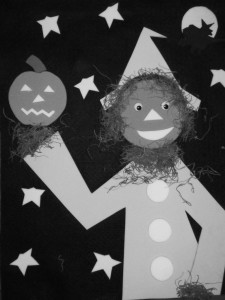
Copy this design or create yur own following the tutorial.

Halloween Banner Design Sample

                                                                            HALLOWEEN: A VERY BRIEF HISTORY

            Halloween began as the ancient Celtic festival of Samhain. The Celts lived in western and central Europe as early as 800 B.C. They followed a religion called Druidism, named after their priests who were known as the Druids. The Druids celebrated Samhain, the festival of the harvest, because it marked the end of one year and the beginning of the next. The Druids also used Samhain to predict the important events of the coming year.

            The Druids believed that the spirits of the dead visited their families before the first day of winter. They taught their followers to light bonfires on sacred hilltops so that these spirits could find their way to their former homes on earth.

            By the end of the first century A.D. the Romans had conquered the lands of the Celts. They mixed the Celts’ traditions and early Christian customs with their own.

            Later on, most of the inhabitants of Ireland, Scotland, Wales and Britain converted to Christianity and no longer celebrated Samhain. These converts used the old rituals and traditions as part of their Christian worship but cleansed them of their pagan meaning.

            However, not everyone changed their religion. During the Middle Ages, pagan priests and their followers turned to the practice of witchcraft. Witches flew to their Sabbaths, or meetings, on broomsticks with their black cats as companions. One of their most important Sabbaths was held on October 31st, which is today’s Halloween.   

            In Ireland, Scotland, Wales, and Britain, local inhabitants continued to light bonfires. Pranks and tricks became common. In Ireland, groups of people would go door-to-door demanding food and other gifts in preparation for Halloween. If the visitors were refused a treat, the party-goers would play a trick on the residents of the house.

            Halloween did not become a popular secular holiday in the U. S. until the 1880’s. Black cats, carved pumpkins, witches, candles and masks became popular symbols of the holiday. By then, most Americans considered Halloween a holiday for children.


HALLOWEEN BANNER

Ages: 5 – 12 years    Time: ½ hour – one hour

MATERIALS:

Black fun foam                              (2) 10 mm wiggle eyes

White Fun Foam                            excelsior (or moss or raffia)

Yellow Fun Foam                          Dark blue felt 36”x 36”

Green Fun Foam                           (3) ½” green or dark blue pompom

Orange Fun Foam                          Patterns provided below

Measure and trim dark blue felt to 14” x 20”.  Place felt piece vertically. Measure and fold a 1” seam at the top. Iron. Fold a second 1” seam.

Iron and glue the second fold.  (You will be inserting the dowel rod through this.)

As this is drying, trace and cut the patterns provided (enlarge patterns as needed):

Cut the pumpkin out of the orange Fun Foam

Cut the pumpkin stem out of the green Fun Foam

Cut the witch out of the black Fun Foam

Cut the moon out of the white Fun Foam

Cut the scarecrow’s face out of orange Fun Foam

Cut the scarecrow’s jacket and hat out of yellow Fun Foam

Cut the scarecrow’s nose and mouth out of white Fun Foam

Cut the stars out of white Fun Foam

Apply tacky glue to Fun Foam pieces with a Popsicle stick and adhere them to dark blue felt background. Use the photo of the completed banner above as a guide.

Place a small amount of glue around the scarecrow’s neck. Add excelsior. Press and let dry.

Glue wiggle eyes to the scarecrow’s face. Glue pompom to the jacket.

Or using the patterns provided, cut eyes out of Black Fun Foam and buttons out of Green Fun Foam. Glue nose and mouth to scarecrow’s face. Let all the pieces dry.

Glue the pumpkin pieces to the pumpkin’s face. Glue the green stem.

Insert dowel rod through the loop at the top of the dark blue felt background. Measure and cut a piece of string 22” x 36”.  Tie the string to each end of the dowel rod.

Enjoy your Halloween Banner!

VARIATION: The Halloween Banner design was inspired by these traditional symbols.  However, you can substitute your own Frankenstein, Dracula, witch or ghost design.
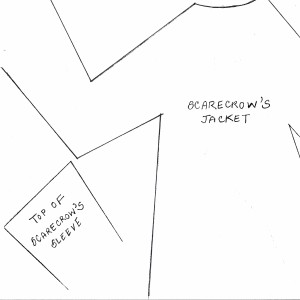
 

Patterns for Halloween Banner
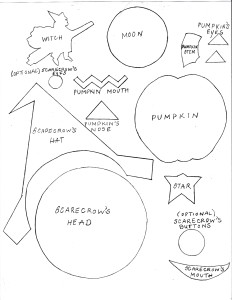
Patterns for Halloween Banner

Patterns for Halloween Banner

Patterns for Halloween Banner

Share Button